 blog
blog
Rivas Real Estate vs Elite Real Estate: 2026 Guide
Table of Contents
- Rivas Real Estate vs Elite Real Estate: Side-by-Side Comparison
- How to Interview a Real Estate Agent: Questions That Reveal the Truth
- Real Estate Agent Interview Questions You Should Always Ask
- Selling a Home in Hobbs NM: What Local Sellers Need to Know
- Fee Structures and Commission Transparency
- Due Diligence Checklist Before You Commit
- Frequently Asked Questions
Last Updated: September 20, 2026
Rivas Real Estate vs Elite Real Estate: Side-by-Side Comparison
Choosing between Rivas Real Estate vs Elite Real Estate comes down to one question: which team actually fits how you buy or sell in Lea County? Both are established names in the Hobbs market, but they run on different business models, and that difference shows up in how they communicate, how they price, and how much time you get from an actual licensed agent. This guide from Rodney Davis breaks down what each team offers, where they diverge, and the interview questions that expose the truth before you sign anything.
Here's the part most buyers and sellers miss: the brand name on the yard sign matters far less than the structure behind it. A large team can mean more listings exposure, but it can also mean your file gets handed to an assistant you never met. A smaller operation may offer more direct access, but fewer internal resources. Neither is automatically better. What matters is which trade-offs you can live with.
Below, we'll walk through a side-by-side comparison, a due diligence checklist, and the fee questions that separate a straight answer from a sales pitch.
What Each Team Offers
Rivas Real Estate and Elite Real Estate both operate as full-service brokerages serving residential and commercial clients in the Hobbs area. Both handle listings, buyer representation, and transaction management, and both maintain an active presence in the local MLS.
Where they typically separate is in team size and specialization. Larger teams often assign a listing agent for the initial pitch, then route day-to-day communication through a transaction coordinator or buyer's agent. Smaller teams tend to keep one agent on the file from consultation to closing.
Ask each team directly: who will answer my calls after we go under contract? The answer tells you more than any marketing brochure.
Where They Differ
The real difference between Rivas Real Estate and Elite Real Estate usually shows up in three places: pricing structure, marketing spend per listing, and how they handle commercial or land transactions.
Some teams invest heavily in professional photography, drone footage, and paid listing promotion. Others keep marketing lean and compete on commission flexibility. Neither approach is wrong, but they attract different sellers. If your property is a standard three-bedroom in a competitive price range, heavy marketing helps. If you're selling rural acreage or a commercial building, you want an agent with specific experience in those transaction types, not just a strong social media presence.
Ask both teams to show you their last three closed sales in your specific property category. That single request filters out a lot of noise.
How to Interview a Real Estate Agent: Questions That Reveal the Truth
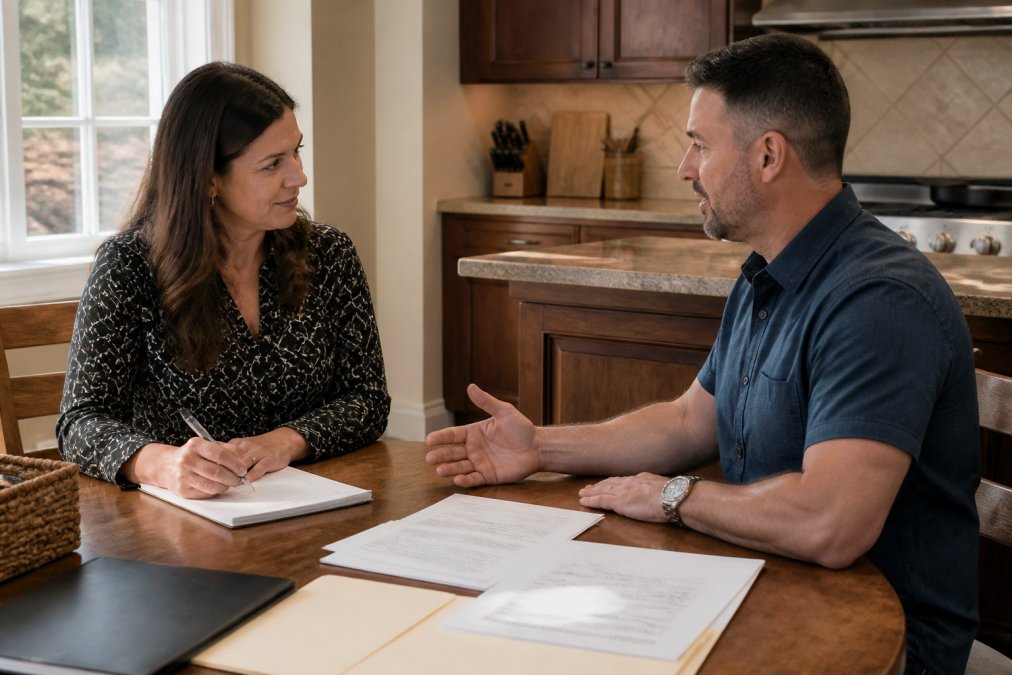
The best way to interview a real estate agent is to treat it like a job interview, because that's exactly what it is. You're hiring someone to manage what is likely your largest financial asset, and you should expect direct answers, not rehearsed pitches.
Start with questions that have verifiable answers. Ask how many transactions they closed in the past twelve months in your specific city. Ask what percentage of their listings sold within 30 days. Ask whether they've handled your property type before.
Then move to the softer questions that reveal character. How do they handle a low appraisal? What happens if the buyer's financing falls through? What's their plan if the home sits for 60 days with no offers?
A common mistake is interviewing only one agent. Talk to at least two or three before committing. The comparison itself will teach you more about the local market than any single pitch.
Real Estate Agent Interview Questions You Should Always Ask
Certain real estate agent interview questions should appear on every seller's and buyer's list, regardless of which team you're leaning toward. These are the ones that separate a real professional from someone chasing a quick commission.
- Are you a full-time agent, or do you have another job?
- How many active listings do you currently have?
- Will you personally attend the inspection and appraisal?
- What's your commission structure, and is it negotiable?
- How do you handle dual agency situations?
- Can you provide three recent client references?
- What's your plan if we don't get an offer in the first 30 days?
- How do you communicate, and how often?
The answers matter less than the consistency. If an agent gives you a different story than their online reviews or their colleagues, that's your signal to keep looking.
Selling a Home in Hobbs NM: What Local Sellers Need to Know
Selling a home in Hobbs NM comes with market conditions that don't mirror the national headlines. The Permian Basin economy runs on energy sector activity, and that rhythm shapes buyer demand, rental prices, and how quickly homes move in different price ranges.
Local sellers should focus on three things. First, pricing accuracy. Overpricing in a market with limited comparable sales means your listing sits while newer inventory gets shown. Second, property condition. In a market where many buyers relocate for work and need to move fast, a home that's ready to occupy has a real advantage over one that needs work.
Third, timing. Work schedules and relocation cycles influence when buyers are actively searching, and a strategic listing window can matter more than a slightly higher asking price.
A strategic 30-day listing playbook, where the first two weeks are treated as the critical exposure period, tends to outperform listings that trickle onto the market without a clear launch plan.
Fee Structures and Commission Transparency
Commission transparency is where most agent comparisons fall apart. Real estate commissions are negotiable and set between the seller and the brokerage, not by any regulatory body. That means the number you hear from one team is not a market standard, it is a starting point, and it is negotiable in writing before you sign.
Ask every agent to put the full fee structure in writing before you sign a listing agreement.
| Fee Component | What to Confirm in Writing | Why It Matters |
|---|---|---|
| Listing-side commission | Percentage, and the brokerage it is paid to | This is the line most negotiable |
| Buyer's agent compensation | Whether the seller is offering it, at what rate, and whether it is conditional | Directly affects buyer traffic and your net |
| Administrative or transaction fees | Flat fees charged on top of commission | Often $300-$600 per side; ask if it is capped |
| Marketing costs | Whether photography, staging, drone, or paid ads are included or billed back | Can add hundreds to thousands out of pocket |
| Cancellation terms | What you owe if you cancel or withdraw the listing early | The line sellers forget until it is too late |
| Dual agency / intermediary handling | How the brokerage handles a buyer it also represents | Affects representation quality and disclosure |
| Escalation or tiered pricing | Whether the commission rate changes at certain price points | Common on land and commercial deals |
One more mechanism worth understanding: commission is typically paid at closing out of seller proceeds, not upfront. That means a team quoting a lower rate but charging large upfront marketing fees may cost you more out of pocket than a team quoting a slightly higher rate with everything included. Run both scenarios through the sample settlement statement before you decide.
Due Diligence Checklist Before You Commit
Before you commit to any brokerage, run this checklist. It applies whether you're comparing Rivas Real Estate vs Elite Real Estate or interviewing any other team in the area.
- Verify the agent's license status with the New Mexico Real Estate Commission
- Confirm the agent is licensed in every state where you're buying or selling
- Request a written commission and fee breakdown
- Ask for three recent client references and actually call them
- Review the listing agreement line by line, especially cancellation terms
- Confirm who handles communication after contract signing
- Ask for recent sales data in your specific neighborhood and price range
- Get the marketing plan in writing, including what's included and what costs extra
Frequently Asked Questions
What should I look for when comparing real estate agencies?
Compare three things: local market knowledge, communication style, and fee transparency. Ask each agency for recent closed sales in your area and how they handle transaction management. Check whether they offer services like property valuation, market analysis, and buyer or seller representation. A team with deep local expertise in your specific market will outperform a larger brokerage that treats you as one of hundreds of clients.
How do I verify the credentials of a real estate agent?
Every agent must hold a valid real estate license. You can verify a license through your state's real estate commission website. Ask the agent whether they are licensed in multiple states, how long they have been practicing, and whether they belong to a local real estate brokerage. Also ask for references from recent clients. A straightforward agent will share this information without hesitation.
How much would a real estate agent make on a $300,000 house?
Commission structures vary, and some agents charge flat fees or tiered structures. Ask any agent you interview to explain their commission in writing and clarify what services are included at that rate.
Does the size of a real estate brokerage affect the service I receive?
Not necessarily. A large brokerage may offer more listings and brand recognition, but an independent agent or small team often provides more personalized attention and faster response times. What matters most is the individual agent's track record, local market data, and willingness to communicate clearly. Ask about their average response time, how many active clients they handle, and whether you will work directly with them or be passed to an assistant.