 how-to
Is Buying Land in Lea County New Mexico Worth It?
Last Updated: November 4, 2026
Quick Summary
Buying land in Lea County in New Mexico is worth it when you verify access, water, and title before making an offer. The county offers residential lots, small acreage, large tracts, and working farms and ranches, and the right parcel is the one that survives due diligence.
- Residential lots are generally under one acre, often with utilities available at the street.
- Large acreage starts at 40 acres and is often grazing or open range land.
- Confirm legal access through direct road frontage or a recorded easement, not a verbal assurance.
- Verify water rights and well permits with the state engineer's office before you buy.
- Ask the county assessor for the parcel's current tax classification and what it would be under your intended use.
Table of Contents
- What Land Is Available in Lea County Right Now
- Step 1: Know What You Want Before You Search
- Step 2: Buying Land in Lea County Without Utilities
- Step 3: Land Access and Easements You Must Verify
- Step 4: Water Rights and Well Access in Lea County
- Step 5: Lea County Land Property Taxes and Closing Costs
- Common Mistakes Land Buyers Make in Lea County
- Send Me a Message Before You Make an Offer
- Frequently Asked Questions
What Land Is Available in Lea County Right Now
Buying land in Lea County in New Mexico starts with understanding what is actually on the market. The county's inventory runs from small residential lots to large acreage tracts and working farms and ranches. For median prices, days on market, and local guidance across the county's cities, see Lea County, NM Real Estate.
This guide walks through the purchase step by step, with the local due diligence most buyers skip. Lea County is big and sparsely settled, and the gap between a good parcel and a problem parcel often comes down to access, water, and what sits under the surface.
What matters more is knowing how to read what is listed.
Acreage, Lot Sizes, and Price Per Acre
Land in Lea County is not priced like a house. A residential lot in town and a 160-acre tract outside Eunice are different products with different rules, and the only honest way to compare them is price per acre.
Small residential lots typically sit inside city limits or established subdivisions, where utilities already run to the property line. Acreage parcels are usually outside those lines, which changes everything about how you use them.
- Residential lot: generally under one acre, often with utilities available at the street
- Small acreage: roughly 1 to 10 acres, common for rural homesites and shops
- Large acreage: 40 acres and up, often grazing or open range land
- Farms and ranches: working agricultural operations with improvements, water, and fencing
When you compare prices, divide the asking price by the acreage and look at that figure next to nearby sales.
How to Read a Listing Description and Photos
Photos sell land, and that is exactly why you should not trust them alone. A listing description tells you what the seller wants you to know. The photos tell you what the seller chose to show.
Read the description for what is missing. If it does not mention access, water, or utilities, assume they are unresolved until proven otherwise.
Look at the photos for context, not beauty. Wide shots of open range are easy. What you want to see is the road in, the fence line, the gate, and any structures. If every photo is a sunset and none shows the entrance, ask why.
Here is how the county's land inventory breaks down by size and typical use.
| Property type | Typical size | Common use |
|---|---|---|
| Residential lot | Generally under one acre | Utilities often available at the street |
| Small acreage | Roughly 1 to 10 acres | Rural homesites and shops |
| Large acreage | 40 acres and up | Grazing or open range land |
| Farms and ranches | Working agricultural operations | Improvements, water, and fencing |
Step 1: Know What You Want Before You Search
The most common mistake in land buying is searching before deciding. Buyers fall for a parcel, then reverse-engineer a reason to want it. Decide the purpose first and the search filters get a lot simpler.
Ask yourself three questions. What will I do with this land, how soon will I use it, and what am I willing to spend on improvements after closing?
Write your answers down. Then set your search filters: property type, acreage range, and area. For the full walkthrough, see How Do You Actually Buy Rural Property in New Mexico?. That is the point where browsing listings becomes useful instead of distracting.
Step 2: Buying Land in Lea County Without Utilities
Buying land in Lea County without utilities is common, and it is not a dealbreaker. It is a budget line.
Electric service is usually the most straightforward. A local utility cooperative can tell you whether a line runs near the property and what an extension would involve. Get that answer in writing before you make an offer.
Water and septic are the bigger questions. A well and a septic system are separate projects with separate permits, and neither is cheap.
Watch out: buyers routinely underestimate the cost of bringing utilities to a rural parcel and blow their entire improvement budget on the first two items. Price the land as if the utilities are not there, because they probably are not.
Step 3: Land Access and Easements You Must Verify
Legal access is the single most important thing to confirm on any rural parcel. A tract can be beautiful, well priced, and completely landlocked. No amount of acreage fixes that.
Access comes in two forms. Direct frontage means the property touches a public road. An easement means you have a legal right to cross someone else's land to reach yours, and that right is only as good as the document that creates it.
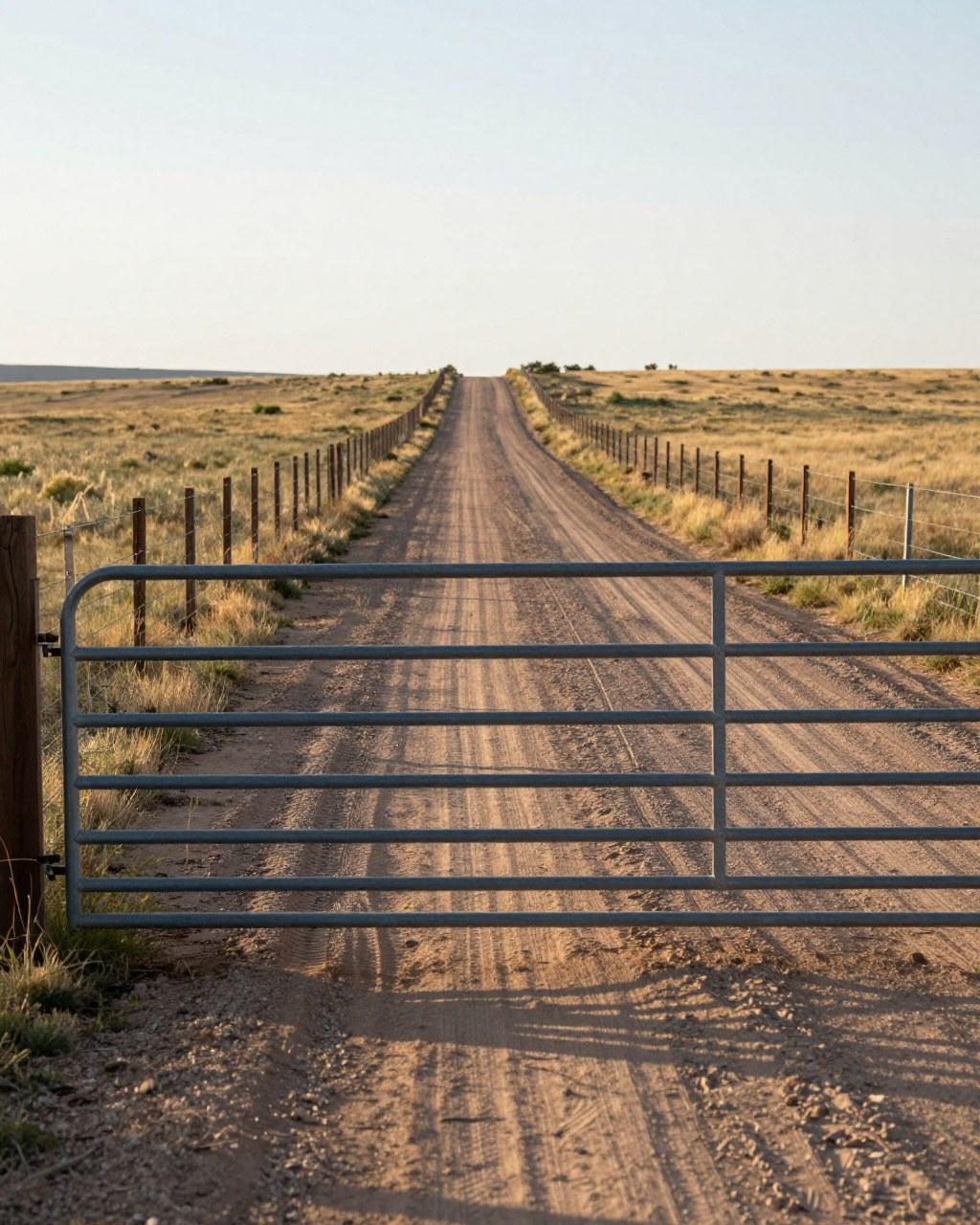
Ask for the recorded easement, not a verbal assurance. For a specific unincorporated area, the Maljamar, NM Real Estate page covers homes for sale and local market analysis. Check that it is in writing, recorded with the county, and describes a specific route.
Step 4: Water Rights and Well Access in Lea County
Water rights and well access determine whether a parcel is usable or just scenery. In New Mexico, water is administered separately from land, and owning the surface does not automatically mean you can pump from beneath it.
Start with the state engineer's office. They can tell you what water rights, if any, are recorded for the parcel and whether a well permit exists.
A shared or domestic well serving a rural homesite is a different situation from irrigation rights on farm ground. Know which one you are buying.
If a seller cannot produce documentation, treat the parcel as having no water until you prove otherwise. That changes the price you should be willing to pay.
Step 5: Lea County Land Property Taxes and Closing Costs
Agricultural and grazing land is generally assessed at a lower value than a bare homesite or a parcel held for development. That classification is not permanent.
Get the actual tax figure for the specific parcel from the assessor, not from the listing sheet.
Closing costs on land are usually simpler than on a house, but they are not zero, and the line items are different. Expect the following:
- Title search and title commitment, the title company researches the chain of ownership and lists every exception, lien, easement, and mineral reservation of record. Read the exceptions schedule line by line; this is where severed minerals, old easements, and unreleased liens show up.
- Owner's title policy, a one-time premium at closing that protects your ownership. Ask for a quote based on the purchase price before you sign.
- Survey, on rural acreage, a survey is often the only way to confirm the legal description matches the ground and that the boundaries and access are where the plat says they are. Survey costs vary with acreage and terrain, so get a written quote for the specific parcel.
- Recording fees, the county clerk charges to record the deed and any easement documents. These are modest but real.
- Escrow or closing fee, charged by the title company or escrow agent for handling the closing.
- Prorated property taxes, the seller owes taxes through the closing date and you owe the rest of the year; this is settled at closing.
Ask for a written estimate of every closing cost before you sign anything, and confirm in writing who pays what.
Watch out: buyers routinely budget for the purchase price and forget the survey and title exceptions.
If the title commitment shows exceptions you do not understand, get them explained before closing. An exception you accept at closing is an exception you own afterward.
Common Mistakes Land Buyers Make in Lea County
The mistakes repeat. Buyers skip the title search, assume access exists because there is a road nearby, and buy on emotion after one good photo.
- Assuming a dirt track to the property is a public road
- Skipping the survey and buying acreage by description only
- Not verifying mineral rights are included or excluded
- Forgetting to check zoning and permitted uses before planning a build
Mineral rights deserve their own line. In this part of the state, oil and gas interests are often severed from the surface. You can own the land and none of what lies beneath it. Ask the question directly and get the answer in the title work.
Send Me a Message Before You Make an Offer
The right parcel is the one that survives due diligence, not the one that photographs best.
At Rodney Davis - No-Nonsense Realtor, we work Lea County, from Hobbs and Lovington to Eunice, Jal, Tatum, and Maljamar. We are licensed in New Mexico and Texas and have served Lea County since 2014.
We can pull live MLS listings, set up search alerts that match your acreage and area, and walk you through the 8-step buying process. We will give you a straight read on whether the deal is sound.
Send me a message before you make an offer, and we will tell you what we see.
Frequently Asked Questions
What should I check before buying land in Lea County?
Start with legal access. Confirm the parcel touches a public road or has a recorded easement, not a handshake agreement with a neighbor. Then check water: whether a well exists, whether it is permitted, and what the state allows you to pump. Pull the tax record to see the assessed value and any back taxes. Order a title search and a survey so you know the boundaries and any liens. Lea County land can be a solid buy, but only after these four items come back clean.
How do I verify access to a rural parcel in Lea County?
Ask the seller or listing agent for the legal description and the recorded easement document, then have a title company confirm it is on file. Drive the route yourself or have someone walk it, because a map line is not the same as a maintained road. Check with the county about whether the road is public or private and who maintains it. If access depends on a neighbor's goodwill, treat that as a red flag until a written, recorded easement says otherwise.
How do I check property taxes on land in Lea County?
Look up the parcel on the Lea County Assessor's records using the parcel number or address from the listing. The record shows the assessed value, the taxing districts that apply, and any delinquent amounts. Ask the title company for a tax certificate during due diligence so you see every levy attached to that parcel, not just the headline number. Taxes on raw land are usually lower than on improved property, but special district assessments can change the math.
What should I know about utilities and water access before buying land?
Assume nothing is connected until you confirm it. Call the electric cooperative or utility that serves the area and ask for the cost to extend service to that specific parcel; the distance from the nearest line drives that number. For water, find out whether a well exists, whether it is permitted, and how deep nearby wells run. If you plan to drill, get a quote from a local driller before you make an offer. Buying land in Lea County without utilities is common, but the cost to bring them in belongs in your budget from day one.
Land in Lea County rewards buyers who do the boring work first. Verify access, confirm water, read the title, and price the improvements before you fall for the view. If you want a straight answer on a specific parcel, reach out and we will go through it with you.