 how-to
9 Steps to Sell Your Home Without a Realtor
Quick Summary
You can sell home without realtor help by pricing it from comparable recent sales, preparing and marketing the property yourself, and completing every required disclosure in writing. The process typically takes several months from listing to closing, and you keep the commission you would otherwise pay an agent.
- Set your price using recent sold prices of similar homes within a half mile.
- Pre-1978 homes require the EPA-approved lead-based paint disclosure pamphlet and disclosure.
- Keep a signed log of every disclosure delivered, with dates.
- Plan for a timeline of several months, building the schedule backward from your closing date.
- Overpricing can cost more than the commission you save, since overpriced homes sit longer.
Table of Contents
- Deciding Whether to Sell Without a Realtor
- Pricing Your Home Using Comparable Sales
- Preparing and Marketing Your Property
- For Sale by Owner Paperwork and Required Disclosures
- Handling Showings, Offers, and Negotiations
- For Sale by Owner Checklist From Listing to Closing
- Home Selling Timeline and Net Proceeds Scenarios
- Booking Your Home Valuation Before You List
- Frequently Asked Questions
Deciding Whether to Sell Without a Realtor
Learning how to sell home without realtor help is a trade: you take on the work of selling the property yourself.
Before you commit, ask yourself a few honest questions:
- Do you have time to show the home, answer calls, and handle paperwork?
- Are you comfortable negotiating price and terms with buyers?
- Do you understand your state's disclosure rules?
- Can you handle a deal falling apart without panicking?
If you answered no to most of these, a listing agent may be the better choice. See how commission fees work before you decide.
Pricing Your Home Using Comparable Sales
Pricing is where most people trying to sell home without realtor help make their first mistake. Price too high and the home sits; price too low and you leave money on the table.
Start with comparable sales, often called comps. Look at homes similar in size, age, condition, and location that sold recently. Adjust for differences like square footage, updates, and lot size.
- Pull recent sold prices for homes within a half mile
- Note days on market for each comp
- Adjust for upgrades, condition, and lot differences
- Check active listings to see your competition
Preparing and Marketing Your Property
First impressions drive showings. A clean, repaired, well-lit home photographs better and draws more buyers. Fix small problems before listing, since buyers will notice them.
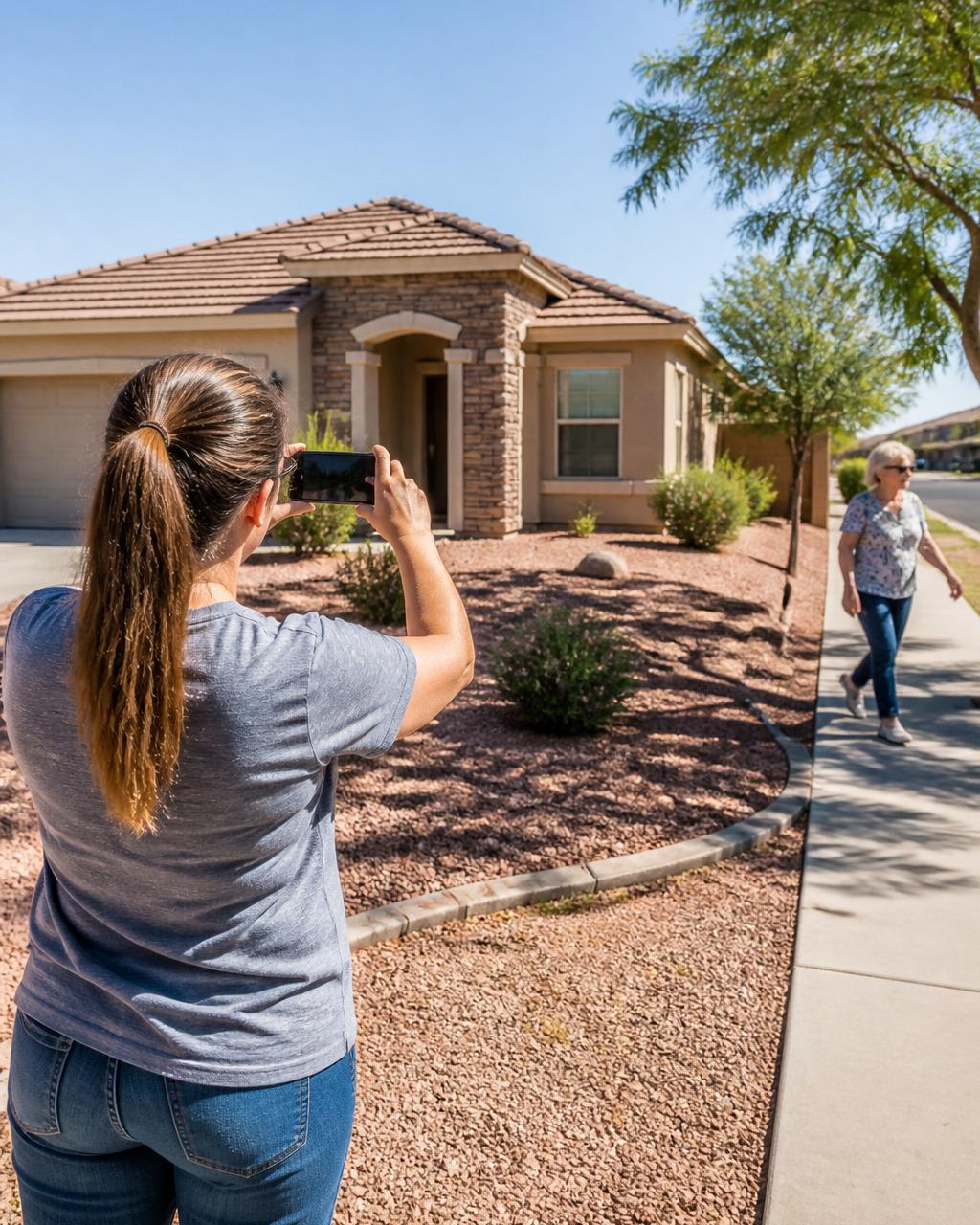
Good marketing for an FSBO sale includes professional photos, a clear listing description, and distribution beyond one website. Many sellers list on multiple platforms and share with local networks.
For Sale by Owner Paperwork and Required Disclosures
This is where FSBO sellers carry the most risk, and it is the section most general guides gloss over. You are responsible for disclosing known defects, and the requirements are set at the state level, there is no single national disclosure form. The practical move is to identify your state's required form, complete it honestly, and keep a written record of every disclosure you deliver and when.
Federal disclosures that apply in every state
A few obligations come from federal law and apply regardless of where the property sits:
- Lead-based paint disclosure. For homes built before 1978, the seller must provide the EPA-approved disclosure pamphlet and a disclosure of any known lead-based paint hazards (the EPA). The EPA and HUD publish the pamphlet and the disclosure form.
- Seller's property condition statement. Many states require a written condition statement covering roof, HVAC, plumbing, electrical, water intrusion, and known defects. Even where a form is not mandated, delivering one in writing protects you.
- HOA and title disclosures. If the home is in a homeowners association, buyers typically receive governing documents, budgets, and assessment history. Title and escrow instructions come from the title company or closing attorney.
State-level requirements to confirm before you list
Disclosure rules vary widely. Some states mandate a specific form and a specific delivery timeline; others require disclosure only if the buyer asks. A few examples of the kinds of rules to confirm with your state real estate commission or a local real estate attorney:
- Whether a written seller's disclosure is mandatory and which form is accepted
- Whether the disclosure must be delivered before or after an offer is accepted
- Whether the seller must disclose known neighborhood nuisances, prior insurance claims, or deaths on the property
- Whether the state requires an attorney or a title company to close the transaction
- Whether the state imposes a transfer tax and who customarily pays it
State real estate commission directory
The FSBO document file
Build a single file, paper or digital, that holds every document a buyer, lender, or closing agent will ask for:
- Seller disclosure forms and the lead-based paint disclosure (pre-1978 homes)
- The purchase agreement and every addendum, counteroffer, and contingency removal
- Repair receipts, warranties, permits, and contractor invoices
- HOA documents, if applicable
- Title commitment and escrow instructions from the title company or closing attorney
- A signed log of every disclosure delivered, with dates
Handling Showings, Offers, and Negotiations
Screen buyers before letting them into the home. Ask about timing. Keep your own safety in mind: meet unfamiliar visitors in public or with another person present.
When offers arrive, compare the price, earnest money, contingencies, and closing date. A slightly lower offer with fewer contingencies can be the stronger deal.
For Sale by Owner Checklist From Listing to Closing
Use this checklist to track the process:
- Price set using comparable sales
- Home repaired, cleaned, and staged
- Professional photos taken
- Listing published on multiple platforms
- Disclosures completed
- Buyer screening process in place
- Offer reviewed with a real estate attorney
- Title, escrow, and closing scheduled
Home Selling Timeline and Net Proceeds Scenarios
Plan for a timeline of several months from listing to closing, and build the schedule backward from your target closing date. See what a home sale consultation involves before you lock in dates. A typical FSBO sequence looks like this:
- Weeks 1-2: Set the price using comparable sales, complete repairs and cleaning, and order professional photos.
- Week 3: Publish the listing, install signage, and notify local networks and buyer agents.
- Weeks 3-8: Handle showings, screen buyers, and collect offers. Expect the first offer within the first month in an active market; slower markets can take two to three months.
- Weeks 8-10: Negotiate, accept an offer, and open escrow. The purchase agreement sets the inspection and appraisal deadlines.
- Weeks 10-14: Inspections, appraisal, and any repair negotiations. Contingency periods typically run 10-21 days.
- Weeks 14-16: Final walk-through, closing disclosure review, and closing.
Net proceeds: the number that actually matters
| Line item | Listing-agent sale | FSBO with buyer-agent commission |
|---|---|---|
| Sale price | $350,000 | $350,000 |
| Listing-side commission | 3% ($10,500) | $0 |
| Buyer-agent commission | 3% ($10,500) | 2.5% ($8,750) |
| Marketing, photos, signage | Often included | $500-$1,500 |
| Real estate attorney review | Often included | $500-$1,500 |
| Pre-listing repairs and staging | $2,000-$5,000 | $2,000-$5,000 |
| Estimated net before other closing costs | ~$329,000-$332,000 | ~$333,000-$338,000 |
Where the savings can disappear
- Overpricing. A home that sits for 60 days often sells below a correctly priced home that sold in 20. The cost of a slow sale can exceed the commission saved.
- Repair negotiations after inspection. Buyers in an FSBO sale often ask for more repairs because they perceive less seller representation.
- Legal and paperwork errors. A missed disclosure or a defective purchase agreement can cost more than the commission it was meant to avoid.
- Your time. Showings, calls, and negotiation take hours each week. Price your time honestly before deciding.
Booking Your Home Valuation Before You List
An accurate valuation keeps you from overpricing. Online estimates can be far off, so treat them as a starting point, not a final answer. Rodney Davis - No-Nonsense Realtor provides written home valuations, which can give you a clearer picture before you set a price.
Once you have a number, you can decide whether to sell on your own or bring in help. Either way, a realistic price is the foundation of a successful sale.
Frequently Asked Questions
What steps are involved in selling a home without a realtor?
Selling without a realtor generally involves deciding to proceed, preparing the property, and handling the sale process yourself.
What paperwork do you need to sell a home on your own?
Most owner sales require a purchase agreement, seller disclosure forms required by the state, a current property survey or legal description, the deed, proof of ownership, payoff information from any lien holder, and documents showing HOA rules if the property is in an association. You will also need identification and possibly a power of attorney if you cannot attend closing. A real estate attorney or title company can review the package before you sign, which is often a modest expense compared with the risk of an incomplete disclosure.
How do you set an asking price when selling without an agent?
Start with comparable sales: homes similar in size, age, condition, and location. Adjust for differences such as square footage, updates, and lot size. Check active listings and listings that expired without selling.
What is the most common reason a property fails to sell?
The most common reason is an asking price that does not match current comparable sales. Weak photos, poor curb appeal, and limited exposure on online listing sites also slow sales. Owners who sell without an agent often underestimate how much marketing reach matters, so placing the listing on as many channels as possible and keeping the home showing-ready improves results.