 how-to
Selling Rural Acreage in New Mexico: 7-Step Guide
Table of Contents
- Before You List: A Due Diligence Checklist for Selling Rural Acreage
- New Mexico Land Pricing per Acre: How to Set a Number That Holds Up
- Documents Needed to Sell Land in New Mexico
- How to Sell New Mexico Land by Owner (and When to Bring In an Agent)
- How Long Does It Take to Sell Vacant Land?
- Marketing Rural Acreage to Ranchers, Farmers, and Investors
- Taxes, Transaction Costs, and Land-Use Rules That Affect Your Sale
- Frequently Asked Questions
Last Updated: October 17, 2026
Before You List: A Due Diligence Checklist for Selling Rural Acreage
Selling rural acreage in new in Mexico starts long before the listing goes live. Land buyers ask harder questions than home buyers, and the answers live in county records, not your memory.
Here is the pre-listing checklist we walk sellers through:
- Pull the deed and confirm the legal description matches the tax roll
- Order a title commitment and clear old liens
- Verify physical access to a public road
Most of these items cost little. Skipping them costs buyers, and buyers who walk away talk.
Access, Easements, and Boundary Verification
Legal access is the number one deal killer on rural land. A parcel that touches a public road is easy to sell. One reached only through a neighbor's gate needs a recorded easement, or the buyer's lender may refuse to fund the purchase.
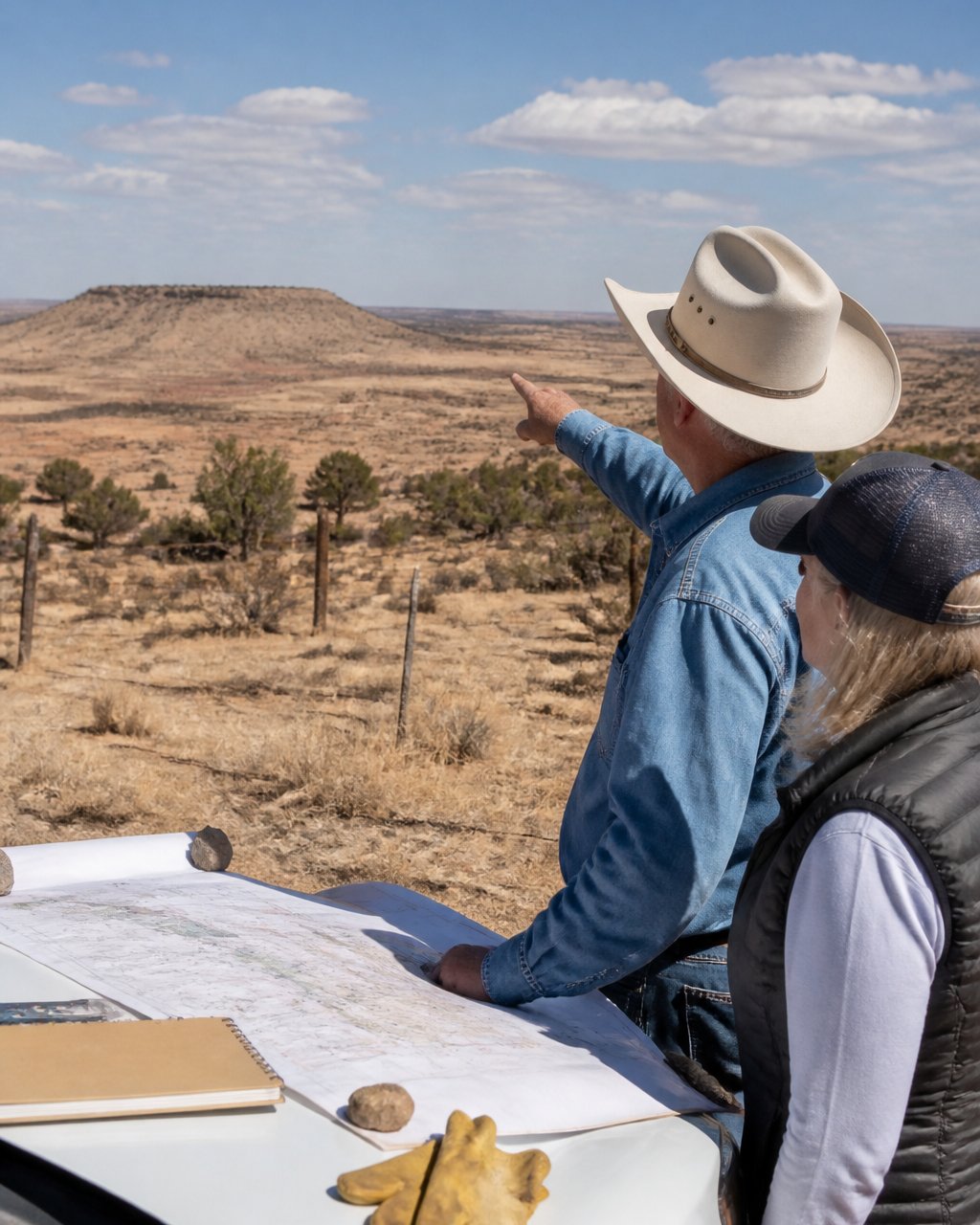
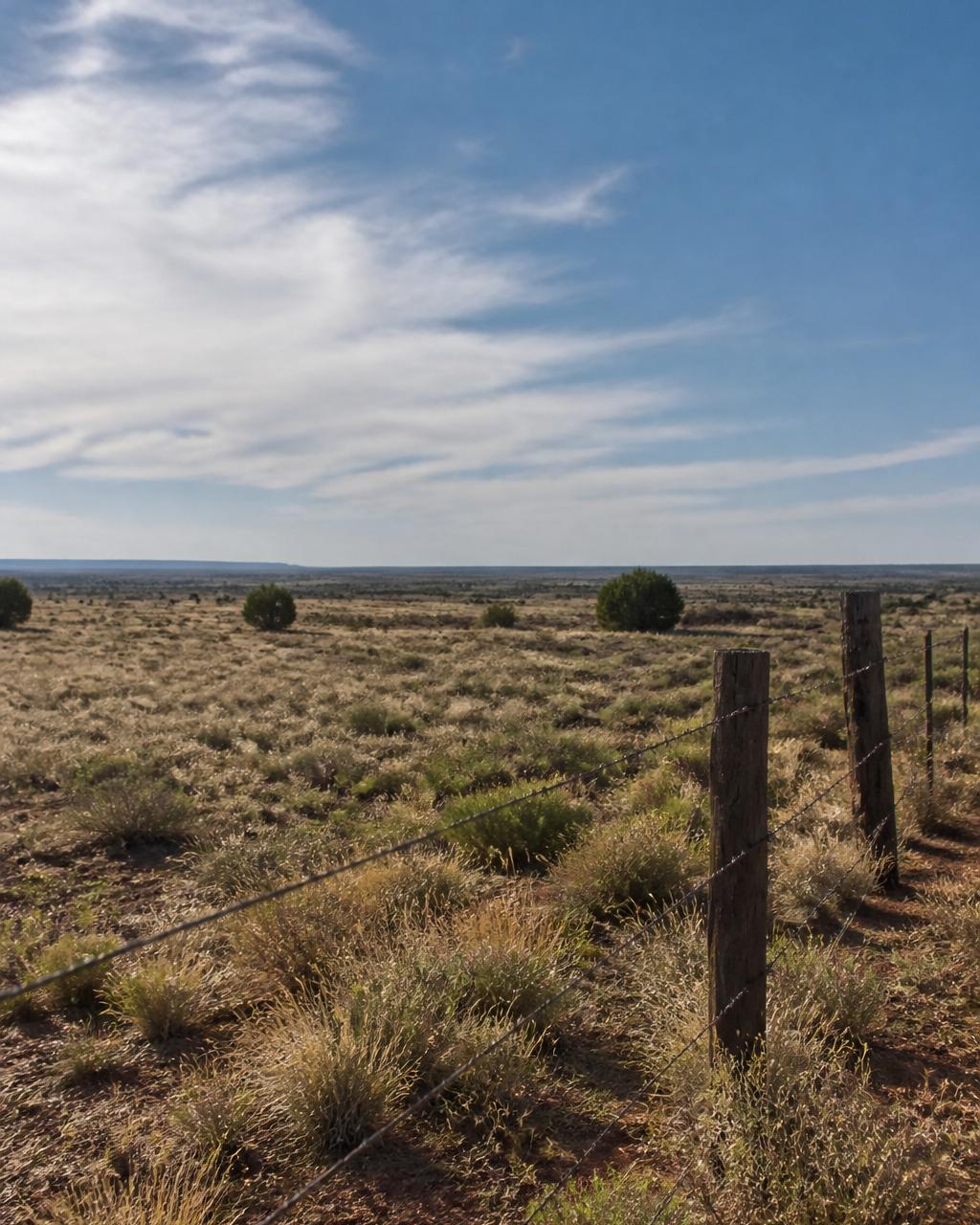
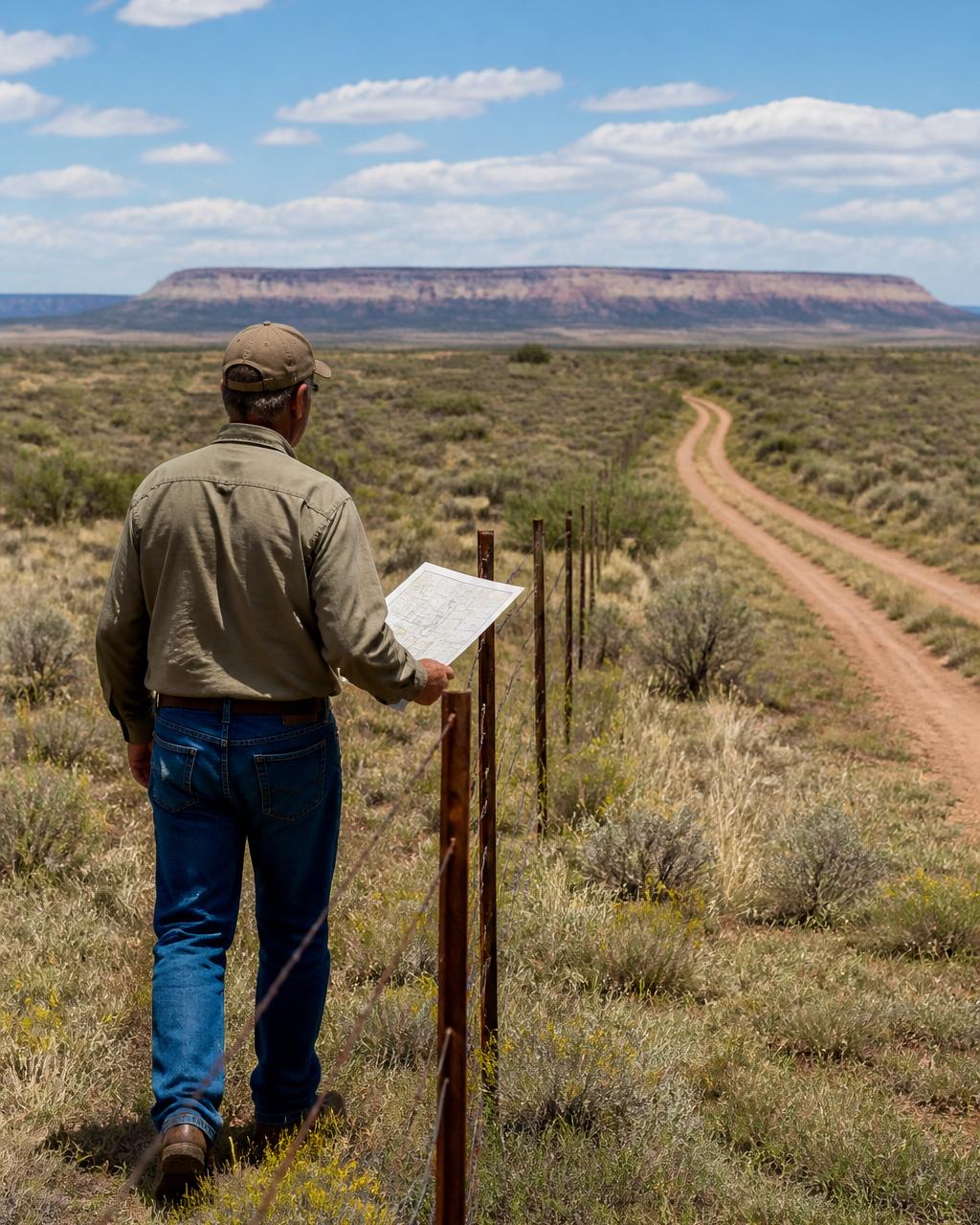
Walk the boundaries with the plat map in hand. If the fence sits off the surveyed line, say so upfront, buyers find out during due diligence, and surprises kill trust.
Water Rights, Wells, and Acequia Considerations
Water decides value on agricultural and recreational land. Sellers should gather:
- Well permits and drilling logs
- Water rights documents and transfer records
- Acequia membership records, where applicable
If a well is shared or a ditch easement crosses the land, disclose it in writing. The New Mexico Office of the State Engineer is the source of record for water rights questions, and buyers will check there.
New Mexico Land Pricing per Acre: How to Set a Number That Holds Up
New Mexico land pricing per acre is not one number. It swings widely by region, access, water, and use. Grazing land in one county can list far below mountain acreage an hour away. Statewide averages are useless for a single parcel, so land is priced on its own merits using closed sales and a written adjustment method.
Four factors drive the number:
- Access: paved road frontage beats a dirt track every time; legal, recorded access beats a handshake gate
- Water: a permitted well, adjudicated water rights, or acequia membership adds real value; a dry hole subtracts it
- Size: larger parcels usually sell for less per acre than small ones, because the pool of buyers who can fund a large purchase is smaller
Using Comparable Sales to Price Rural Acreage
Comparable sales are the backbone of any land price, but bare land has few sales, so the method has to be disciplined. A disciplined process for using comparable sales includes:
- Define the subject. Write down acreage, legal access, water status, improvements, terrain, zoning, and current use, every adjustment depends on this baseline.
- Pull closed sales, not listings. Ask a title company or your MLS for recorded sale prices within a reasonable radius, often the same or an adjoining county with similar terrain. Widen the radius and time window when sales are scarce, but note that you did.
- Screen the comps. Keep sales of similar highest-and-best use. A 40-acre hunting parcel is not a comp for a 40-acre irrigated farm.
- Adjust each comp to the subject. Apply dollar or percentage adjustments for access, water, improvements, size, and terrain, and document every one in writing.
- Reconcile. Weight the most similar comps heaviest, then set a list price range rather than a single figure.
A simple adjustment worksheet looks like this:
| Feature | Subject | Comp A | Adjustment to Comp A |
|---|---|---|---|
| Acreage | 80 | 80 | $0 |
| Access | Paved frontage | Dirt easement | +$ for subject |
| Water | Permitted well | None | +$ for subject |
| Improvements | None | Barn | −$ for subject |
| Terrain | Level | Rolling | +$ for subject |
Adjustment amounts come from paired sales, two otherwise similar parcels differing in one feature, or local cost and income data. When paired sales are unavailable, use qualified language in your file ("estimated adjustment based on agent judgment and local cost data") rather than pretending to precision you do not have.
Sellers should be shown the comps in writing, including adjustments and reasoning. If the data says a lower number than you hoped, better to hear it from an agent than from a silent market.
Pricing Mistakes That Cost Rural Sellers
Three pricing errors show up again and again on acreage:
- Pricing off list prices. You anchor to a neighbor's optimistic ask, sit for a year, then chase the market down.
- Ignoring the financing discount. A parcel only a cash buyer can purchase has a smaller buyer pool, and that shows up in price.
- Treating acreage as the only variable. Two 160-acre parcels in the same county can differ by multiples per acre once access, water, and use are factored in.
A defensible price is one you can explain line by line. That is what holds up when a buyer's appraiser or lender pushes back.
Documents Needed to Sell Land in New Mexico
Documents needed to sell land in New Mexico go beyond a deed. A clean file speeds up closing and reassures buyers. Gather these before you list:
| Document | Purpose | Who Provides It |
|---|---|---|
| Deed and legal description | Proves ownership and parcel boundaries | Seller or county clerk |
| Title commitment | Shows liens and claims to clear | Title company |
| Survey or plat map | Confirms boundaries and acreage | Surveyor or county |
| Access and easement records | Proves legal road access | County records |
| Water rights and well permits | Supports value and use | State engineer or seller |
| Tax records | Confirms taxes are current | County assessor |
| Disclosure statement | Shares known property issues | Seller |
Missing documents do not just slow the sale. They give buyers room to renegotiate.
How to Sell New Mexico Land by Owner (and When to Bring In an Agent)
Selling land by owner can save on commission, but it puts every step on you: pricing, photos, showings, contracts, and title coordination. It works best when you know your market and have a clean, simple parcel.
The owner-sale path looks like this:
- Price the land using closed comps
- Gather the documents above
- Write a clear listing with acreage, access, water, and use
- Post on land listing sites and local networks
- Screen buyers for financing before showings
- Use a title company to handle closing
Bring in an agent when the parcel has title issues, access problems, or water complications. Those deals need someone who has closed them before.
How Long Does It Take to Sell Vacant Land?
Vacant land typically takes longer to sell than a house, a few months to over a year, depending on price, access, and local demand. Rural parcels with water and good road access move fastest.
Three things speed up a sale:
- Correct pricing from day one
- Clear documents ready for buyers
- Strong photos and a complete listing
Overpricing is the biggest time killer. Land that sits too long gets stale, and buyers start assuming something is wrong with it.
Marketing Rural Acreage to Ranchers, Farmers, and Investors
Marketing rural acreage means writing for three buyers, each with a different test for value. A rancher wants grazing capacity and stock water. A farmer wants soil, irrigation, and water rights. An investor wants access, upside, and clean title. A generic listing rarely speaks to all three, so build it around the buyer you most expect and make the facts each type needs easy to find.
Segment the Listing by Buyer Type
- Ranchers: lead with grazing capacity, fence condition, stock tanks or wells, and any grazing allotment or lease. State animal-unit capacity only if you can support it; otherwise describe the forage and water and let the buyer's range specialist verify.
- Farmers: lead with irrigated acreage, water rights (including acequia membership and ditch schedule), soil type, and whether the land is in production. Include the irrigation delivery method and shared infrastructure.
- Investors and recreational buyers: lead with legal access, buildable homesites, hunting or fishing features, zoning and subdivision potential, and whether you will consider owner financing or a cash sale.
Build the Listing Package
A complete land listing package answers questions before they are asked:
- Photos: road frontage, water sources, fence lines, gates, improvements, and open views, shot in good light, including the access road from the public road inward.
- Description: state acreage, zoning, water rights status, access type, and current use in plain terms. Avoid adjectives that cannot be verified.
- Maps: a plat map with boundaries marked, plus a location map showing distance to the nearest paved road and town.
Choose Channels That Reach Land Buyers
Land buyers do not shop the way home buyers do. A practical channel plan includes:
- The local MLS and land listing networks so the parcel reaches agents and buyers already searching the area.
- Land-specific listing sites where buyers filter by acreage, water, and use.
- Local networks: ranchers, farmers, and rural property managers often know a parcel before it lists.
- Targeted outreach to neighboring landowners, often the most motivated buyers because the parcel adds to what they already own.
- Signage and direct mail in rural areas where buyers drive the roads looking for land.
Screen Buyers Before You Show
Land buyers often need financing, and rural land loans are harder to get than home loans. Ask for proof of funds or a lender letter before you show the property. A buyer who cannot close wastes months of your time and pulls the listing off the market during the best weeks of exposure.
Track What the Market Is Telling You
Watch showings, inquiries, and saved listings. Views but no showings means the photos or description are the problem. Showings but no offers means the price or terms are.
Live MLS listings and local market data can help put land in front of the right buyers. A buyer three states away needs a listing that answers every question before they call.
Taxes, Transaction Costs, and Land-Use Rules That Affect Your Sale
Taxes and land-use rules can change your bottom line. Property taxes should be current, and any agricultural exemption needs explaining, since a buyer may lose it after closing.
Plan for these seller costs:
- Title insurance and closing fees
- Real estate commission, if you use an agent
- Prorated property taxes
Check county land-use rules before listing. The New Mexico Association of Counties can point you to the right county office, and the IRS guidance on selling property covers federal tax questions on the sale.
Selling rural acreage in new in Mexico is a paperwork game as much as a pricing one.
Frequently Asked Questions
How much is rural acreage selling for in New Mexico?
There is no single number, because New Mexico land pricing per acre swings widely by county, access, water, and use. Irrigated farmland with water rights commands far more per acre than dry grazing land, and hunting or mountain tracts can price differently again. The reliable way to set a number is comparable sales: recent closed sales of similar acreage, similar access, and similar water situation within the same local market. Ask an agent for a written valuation rather than relying on a single listing price you saw online.
Do I need a real estate agent to sell land in New Mexico, or can I sell it by owner?
You can sell New Mexico land by owner. A for-sale-by-owner sale works best when you already have a buyer, the parcel is simple, and you are comfortable handling showings, disclosure, and closing paperwork. An agent earns their fee when the parcel is unusual: split ownership, unclear access, water rights questions, or a thin buyer pool. In those cases, marketing reach and pricing accuracy usually decide whether the land sells in months or sits for years.
What documents do I need to sell acreage in New Mexico?
At minimum, gather the deed, a current title commitment or title search, the legal description and plat, and any survey you have. Add tax records, a water rights documentation file if water is involved, well records, and any easement or access agreements. If the property has improvements, include permits and inspection records. Missing documents are the most common reason a land closing stalls, so assemble the file before you list rather than after you accept an offer.
How long does it take to sell vacant land?
Longer than a house, in most cases. Vacant land has a smaller buyer pool, and financing is harder because many lenders do not write conventional loans on raw acreage. A well-priced parcel with clear access and documented water can move in a few months; an overpriced parcel with title or access issues can sit for a year or more. Pricing from real comparable sales, not from what you hope it is worth, is the single biggest factor in how long the sale takes.